When a homeowner or business decides to move from keyed hardware to electronic locks, choices and trade-offs appear quickly. I have installed, troubleshooted, and maintained dozens of electronic locks in houses and small offices, and I write from that field experience. In this piece I explain what to expect from a professional install, how to choose hardware, and what maintenance and security practices keep an electronic lock performing properly, and you can compare local providers by checking professional locksmith services as a starting point for estimates and service options. I include real-world troubleshooting steps, quick checks to validate an installation, and what good installers include in their job notes.
Not all electronic locks solve the same problems.
An electronic lock looks like a deadbolt, yet a proper installation often requires routing power, programming codes, and confirming wireless behavior. A locksmith who only cuts keys may not be sufficient for access control work, and you want a certified locksmith or technician who has done similar installs before. A good install balances tidy mechanical fitting with sensible power options and clear documentation for the owner.
Choosing the right electronic lock for your door and needs.
Not every electronic lock suits every door or every user, and matching technology to use case avoids regrets. Consider established brands that publish firmware updates and have a track record for support. Commercial settings, high-traffic apartments, and storefronts should use commercial-grade cylinders and reinforced strike plates, which is something an experienced installer will insist on.
Site checks that prevent common installation errors.
I once replaced a smart deadbolt on a warped door and the latch dragged until the installer shimmed the frame and replaced the strike with a reinforced plate. An installer should tell you upfront about any frame reinforcement, latch replacement, or extra carpentry. Those are avoidable with a careful pre-install inspection.
Why power plan matters more than the lock’s brand name.
Battery-operated locks are simple to install but require scheduled battery replacement, while wired locks reduce battery worry at the cost of having to run low-voltage wiring. A practical rule is replacing alkaline cells annually in moderate climates and sooner in cold environments. For homes with existing transformers and low-voltage wiring, a hardwired approach provides steady power but requires the installer to use proper voltage regulators and surge protection to avoid damaging electronics.
A small investment in maintenance halves the chance that a lock fails without warning during a critical hour.
How different communication options affect reliability and privacy.
Bluetooth locks are reliable at short range but hinge on phone proximity, Z-wave or Zigbee integrate into smart home hubs, and Wi-Fi units offer remote access without a hub but raise privacy considerations. If you need remote unlock and activity logs without intermediary cloud dependence, consider a local hub that supports Z-wave and bridges to your network for remote access through secure tunnels. An installer experienced with commercial electronic lock setup can outline these trade-offs during the quote.
What to expect from a professional installer and the right questions to ask.
Do not hire anyone who cannot show evidence of liability insurance and worker coverage; if something breaks during a cut, you want the cost covered. Good documentation saves a return visit and keeps your facility operational if the original installer is unavailable later. Make sure your written invoice states who is responsible for firmware updates and future troubleshooting, and whether the installer will bill hourly for follow-up service calls.
Common installation mistakes and how to spot them early.
If the lock won’t accept a code reliably, programming or receiver placement may be the issue rather than the lock itself. If the installer leaves exposed wires or zip-ties in the jamb, ask them to finish the job properly before they leave. If you hear abnormal motor strain when engaging the lock, record the sound and have the installer test torque settings and bolt travel; continued motor strain will shorten the lock’s service life.
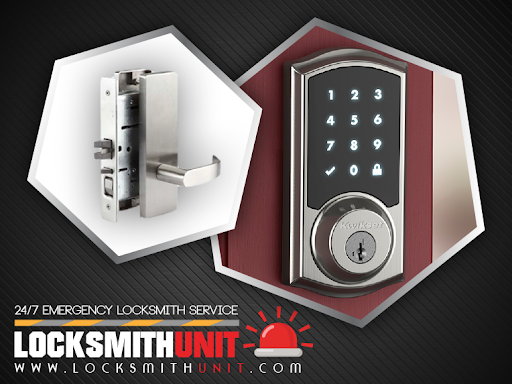
Physical upgrades that complement electronic features.
An electronic lock is only as strong as the cylinder and the door frame which support it, and a secure installation includes high-quality cylinders and reinforced strikes. Key control is often the weakest link in physical security if cylinders are left standard and unrestricted. An installer can train an internal contact on how to export and analyze logs.
How much time installs take, common hidden costs, and budget ranges.
Expect higher labor on older properties where door chases, plaster, or unforeseen carpentry is necessary. If budget is tight, prioritize a reputable installer and pick hardware with a good warranty over the lowest sticker price. Have them confirm expected completion and any contingency allowances in writing.
What owners can do themselves and when to involve a professional.
Lubricate the mechanical latch with a dry graphite or manufacturer-approved product, never use household oil which attracts dust. Keep an event log export before calling for service so the technician can diagnose patterns instead of guessing at intermittent faults. A reputable installer will triage remotely and advise whether an on-site trip is necessary.
Real-world examples and quick decision rules from the field.
I once swapped out a legacy keyed deadbolt on a rental property for a keypad unit and discovered the strike studs were rotted; replacing the frame substructure was necessary before the owner accepted the new lock. These rules are not absolute but they simplify vendor proposals and let you prioritize where to spend on hardware versus convenience. Competitive bidding forces vendors to explain hidden costs and reveals who knows how to https://blogfreely.net/locksmithdeskorcg/licensed-commercial-locksmiths-rekey-services scope the job properly.
The right combination of hardware, power planning, and an experienced technician reduces callbacks and secures your access points effectively.
Locksmith in Orlando, Florida: If you’re looking for a reliable locksmith in Orlando, FL, our company is here to help with certified and trustworthy locksmith services designed to fit your needs.
Locksmith Orlando | Locksmith Unit
- Address: 3725 Conroy Rd, Orlando, FL 32839, United States
- Phone: +1 407-267-5817
- Hours: Open 24 hours
- Website: locksmithunit.com
- Contact Us: Contact Locksmith Unit Orlando, FL
- About Us: About Locksmith Unit Orlando, FL
Connect with us
- Google Business Profile: Locksmith Orlando | Locksmith Unit on Google Maps
- Facebook: Locksmith Orlando | Locksmith Unit on Facebook
- Instagram: Locksmith Orlando | Locksmith Unit on Instagram
- YouTube: Locksmith Orlando | Locksmith Unit on YouTube
- TikTok: Locksmith Orlando | Locksmith Unit on TikTok
- X (Twitter): Locksmith Orlando | Locksmith Unit on X (Twitter)
- LinkedIn: Locksmith Orlando | Locksmith Unit on LinkedIn
- Pinterest: Locksmith Orlando | Locksmith Unit on Pinterest
- Threads: Locksmith Orlando | Locksmith Unit on Threads
- Blogger: Locksmith Orlando | Locksmith Unit on Blogger
- Tumblr: Locksmith Orlando | Locksmith Unit on Tumblr
- Bluesky: Locksmith Orlando | Locksmith Unit on Bluesky
- Band: Locksmith Orlando | Locksmith Unit on Band
- VK: Locksmith Orlando | Locksmith Unit on VK
- Yelp: Locksmith Orlando | Locksmith Unit on Yelp
Worldwide Brand Profiles
- Medium: Locksmith Unit on Medium
- Instapaper: Locksmith Unit on Instapaper
- Diigo: Locksmith Unit on Diigo